
Imagine this: You’re on the court, in the middle of a fierce doubles match. The score is tied, and both sides are giving their all. Suddenly, your opponent’s shot lands near the baseline. Tension rises—was it in or out? Your partner says “out”, but hesitation sets in. What do you do?
This scenario is a classic pickleball moment. Pickleball line calls can be tricky to navigate, and disputes over them often steal the fun from the game. Whether you’re a beginner or a seasoned pro, knowing the pickleball line rules on call can save you from such confusion—and make you a better player.
Understanding Pickleball Line Call Rules
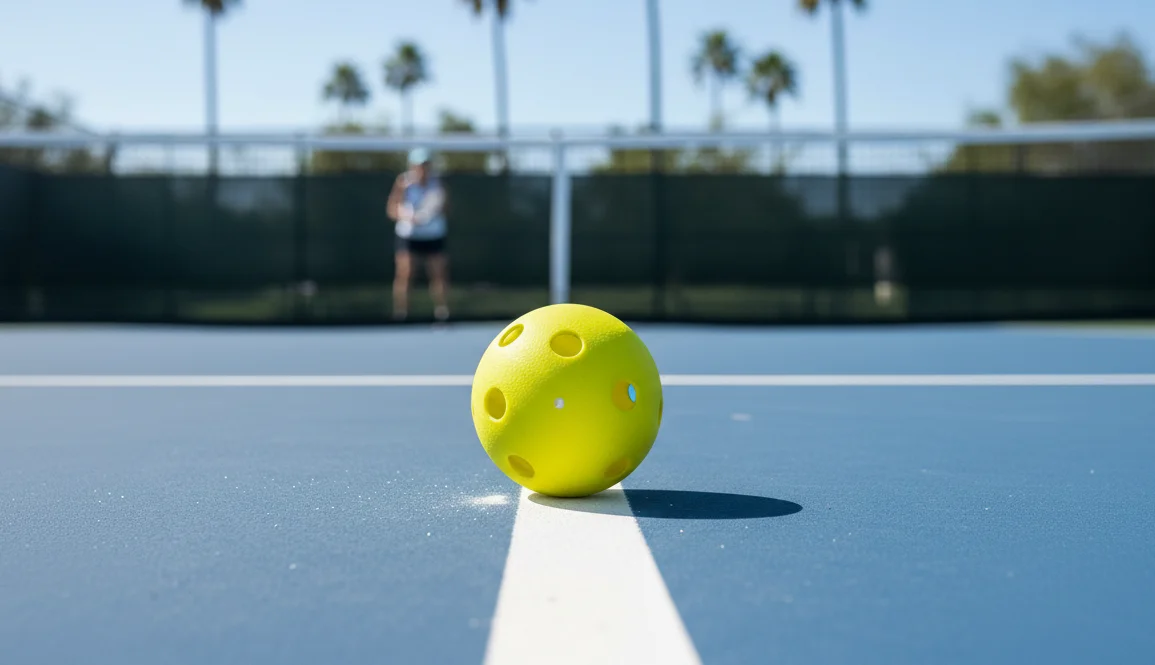
In pickleball, the fundamental rule for line calls is that if the ball touches any part of the line, it is considered “in”. Knowing this simple principle allows you to make fair and confident calls during games. Recognizing court lines is a must:
- Baseline: Found at the rear of the court, it marks the outermost boundary for play.
- Sidelines: Define the left and right boundaries of the court.
- Non-Volley Zone Line (Kitchen Line): Defines the kitchen area, where volleys are prohibited.
Official Pickleball Line Rules on Call
1. The “In or Out” Rule
According to the new pickleball line rules, a ball is considered in if any part of it makes contact with the boundary line. The exception lies in cases where the ball lands completely outside these lines—it is then out.
For example:
- If a ball grazes the baseline during a rally, it’s still in.
- If it misses the baseline entirely, it’s out.
Pro Tip: When in doubt during recreational matches, calls should be made in favor of your opponent to ensure fair play.
2. Serving and Line Call Rules
The pickleball line rules on serves are strict:
- Serves must land in the opponent’s service court.
- The ball must clear the Non-Volley Zone Line (Kitchen Line) without touching it.
- If a serve touches the sideline or baseline, it’s in.
- A serve hitting the kitchen line, however, is a fault.
Be mindful of these rules to avoid unnecessary service faults.
3. Doubles Strategy for Line Calls
In doubles play, teamwork is key:
- Players on the receiving side must decide line calls for balls landing in their court.
- Strong communication between partners ensures consistent, fair calls.
Quick Tip: Designate which partner handles certain calls before the game to reduce confusion during intense rallies.
4. Disputes Over Line Calls
Disputes over line calls can arise in recreational and competitive play. Here’s how to handle them:
- Step 1: Stay calm and courteous.
- Step 2: Review the situation with all players involved.
- Step 3: If unresolved, replay the point (a common sportsmanship rule in recreational matches).
For tournament play: When referees are present, they make the final decision on disputed calls.
Avoiding Common Mistakes
Making accurate line calls requires focus and practice. Players often make the following mistakes:
- Calling Too Soon: Always wait until the ball has completely landed.
- Overconfidence on “Out” Calls: Only call “out” when absolutely certain.
- Poor Communication in Doubles: Avoid unnecessary disputes by agreeing on line call responsibilities beforehand.
Correcting these habits can dramatically improve your game experience.
Pro Tips for Line Call Accuracy
Here are some expert recommendations to help you master pickleball line calls:
- Practice Visual Focus: Use slow practice rallies to train your eyes to observe the lines more carefully.
- Respect Your Opponent: Play with fairness and allow close calls to favor the opponent.
- Communicate Clearly: Particularly in doubles, vocal and quick calls prevent unnecessary disputes.
- Use Drills: Line observation drills can increase your reflex accuracy for future games.
Why Honesty in Line Calls Matters
Pickleball is not only a physical game but also a mental one rooted in sportsmanship. Honesty in pickleball line calls creates trust and respect among players. Always strive for fairness and integrity. By adhering to the rules and maintaining transparency, you’ll find the sport even more enjoyable.
FAQs About Pickleball Line Call Rules
When there is uncertainty about whether the ball is in or out, the call must go in favor of your opponent. This sportsmanship principle helps keep the game fair.
Yes, the serve can touch the baseline or sideline and still be considered valid. However, it cannot touch the Non-Volley Zone Line (kitchen line).
In recreational games without a referee, the receiving team is responsible for making line calls for shots landing on their side of the court.
If there’s no referee present and players cannot come to an agreement, the general resolution is to replay the point to maintain fairness.